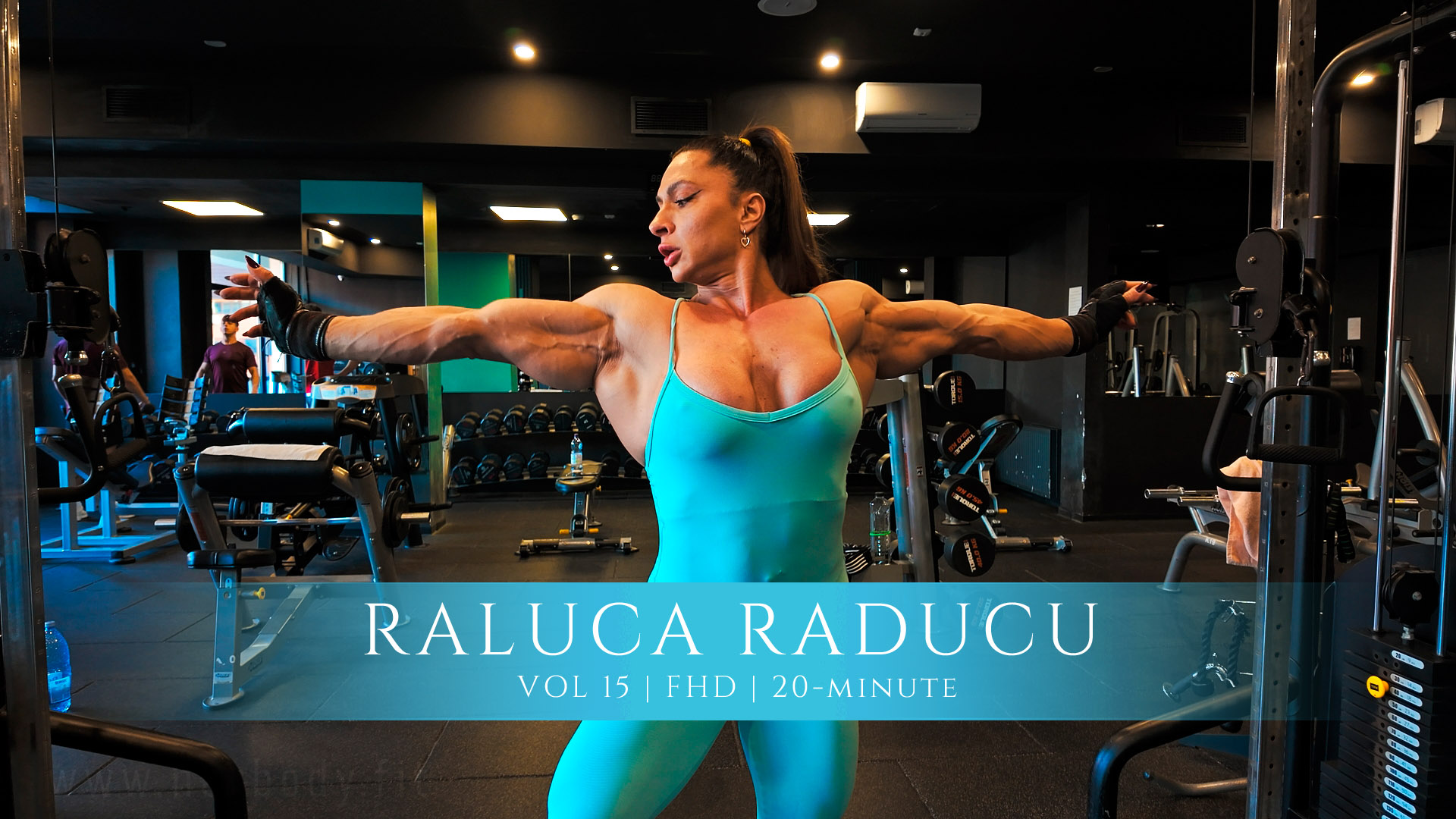
Category: Fitness & Training

Practical strength training, recovery, and fitness guidance.

  • How to Build a Balanced Weekly Fitness Routine

    How to Build a Balanced Weekly Fitness Routine

    A good weekly fitness routine isn’t just a collection of hard workouts. It’s a plan that considers what you’re trying to improve, what you enjoy and how much time you can realistically give it. The best schedule is one you can repeat without constantly starting over.

    Start with your main goal

    Would you like to build strength, improve cardiovascular fitness, move more comfortably or simply develop a reliable exercise habit? All of these are worthwhile, but choosing a priority helps you make decisions when time is limited.

    If strength is your main goal, schedule strength sessions first. If endurance is the priority, allow enough time and energy for aerobic work. You can still include a mix of activities: the emphasis simply changes.

    Make room for four building blocks

    • Strength: Practice resistance exercises that challenge the major muscle groups through comfortable ranges of motion.
    • Cardio: Choose activities such as brisk walking, cycling, swimming or another form of movement that increases breathing and heart rate.
    • Mobility: Use targeted movement practice and warm-ups to prepare for your preferred activities.
    • Recovery: Plan for rest, sleep and easier days so challenging sessions remain manageable.

    Example of a flexible week

    Here’s one general pattern for someone who enjoys a mixed routine. It isn’t a prescription, and the days can be rearranged.

    • Monday: Full-body strength session.
    • Tuesday: Comfortable cardio and a little mobility work.
    • Wednesday: Rest or relaxed movement.
    • Thursday: Full-body strength session.
    • Friday: Cardio or another activity you enjoy.
    • Saturday: Optional light activity, sport or technique practice.
    • Sunday: Recovery and planning for the week ahead.

    If you are beginning after a long break, scale back the duration and intensity. A few shorter sessions are often more useful than an ambitious schedule that becomes overwhelming by Wednesday.

    Use effort intelligently

    Not every session needs to feel difficult. Keep an easy option available for busy days: a walk, a brief mobility routine or a few controlled exercises. This lets you maintain the habit without treating every workout as a test.

    Review, then adjust

    After several weeks, ask whether your schedule fits your life. Are you showing up? Is the workload manageable? Are you recovering between demanding sessions? Small changes in duration or frequency can make the difference between a temporary challenge and a lasting routine.

    Keep building

    Consistency gives a plan its value. Choose activities you can return to, keep the basics visible, and allow the routine to evolve with your goals.

    For more inspiration, explore Raluca’s training section and her bodybuilding career highlights.

    General educational content. Exercise needs differ from person to person; seek appropriate professional advice when necessary.
  • Recovery Is Part of Training: Sleep, Rest Days and Sustainable Progress

    Recovery Is Part of Training: Sleep, Rest Days and Sustainable Progress

    Training creates a challenge for your body. Recovery is the time you give yourself to adapt to that challenge. When fitness advice focuses only on doing more, it’s easy to forget that progress also depends on what happens between workouts.

    Rest is not the opposite of commitment

    Hard sessions are useful, but consecutive days of very demanding exercise can leave some people struggling with performance, motivation and soreness. Rest days help you return to training prepared to move well. The right amount varies with your experience, sleep, overall workload and the exercises you’re doing.

    Rest doesn’t always mean complete inactivity. An easy walk, gentle mobility session or relaxed bike ride may feel good on a lighter day. Think of recovery activity as something that supports your next session, not another workout you must complete.

    Make sleep a priority

    Sleep influences alertness, coordination, mood and the ability to handle physical demands. A consistent sleep and wake schedule, a comfortable environment and a wind-down routine are simple places to start.

    If late workouts or caffeine make it harder to fall asleep, experiment with timing. There’s no single perfect evening routine; the useful one is the one you can follow consistently.

    Fuel the work you do

    Regular meals that provide enough energy, protein, carbohydrates, fats and fluids support an active lifestyle. Nutritional needs vary, so avoid copying someone else’s restrictive eating plan without considering your own situation. For specific dietary concerns or performance goals, a registered dietitian can offer individualized advice.

    Learn the difference between challenge and warning signs

    Some temporary muscle soreness after unfamiliar exercise can be normal. Sharp pain, worsening discomfort, unusual weakness or symptoms that don’t improve warrant a change in approach and, when appropriate, medical advice.

    A training journal can help you notice trends. Is your performance improving? Are you increasingly tired at the start of each session? Are you enjoying the routine? These observations can be more valuable than judging progress by one tough day.

    Plan recovery before you need it

    Put easier days on the calendar when you plan your harder sessions. For example, alternate challenging strength days with lighter activity or rest, rather than treating downtime as something earned only after burnout. During unusually busy or stressful weeks, lowering volume can make a routine more sustainable.

    Better consistency beats constant intensity

    The goal is to keep returning to training with enough energy to do good work. A smart plan makes room for both effort and restoration.

    Continue exploring training and workouts, or contact Raluca with a general question about the site.

    This article is for general education and not individualized medical or nutrition advice.

  • Strength Training for Beginners: Build a Foundation That Lasts

    Strength Training for Beginners: Build a Foundation That Lasts

    Starting strength training can feel complicated when every workout online promises a different shortcut. The good news is that a strong foundation rarely requires an elaborate plan. It requires a handful of movements, a manageable schedule, and the patience to improve steadily.

    Begin with movement patterns, not a long exercise list

    Most well-rounded strength programs cover several basic patterns: a squat or knee-dominant movement, a hip hinge, an upper-body push, an upper-body pull, and some form of trunk stability. You can practice these with body weight, machines, resistance bands or free weights. The equipment matters less than the ability to perform each exercise with control.

    For example, a beginner might pair a supported squat with a chest press, a seated row, a hip hinge movement and a brief core exercise. Start with variations that feel stable. If you’re unsure of the technique, ask a qualified coach to observe you before increasing the difficulty.

    Make progress measurable

    Progressive overload means gradually challenging the muscles as your capacity improves. It does not mean adding weight every session. You might first improve range of motion, make repetitions more controlled, add one or two repetitions, or increase resistance when the current load feels consistently manageable.

    Write down the exercise, load, repetitions and how demanding the set felt. A simple log makes progress visible, even during weeks when the mirror doesn’t show an obvious change.

    Keep the first weeks achievable

    For many healthy adults who are new to resistance exercise, two or three full-body sessions per week can be a practical starting point, with recovery time between demanding sessions. Choose a small number of exercises that you can perform consistently. Warm up with easy movement and lighter practice sets, then work at an effort that leaves your technique intact.

    You don’t need to train to exhaustion. Learning to stop when your form changes is often a more useful early skill than squeezing out a final repetition.

    Build habits around the workout

    A sustainable training plan also needs enough sleep, regular meals, adequate hydration and some movement outside the gym. Avoid changing every variable at once. Give the program time, review your log every few weeks and adjust one thing at a time.

    The takeaway

    Strength comes from repeated, well-executed work—not the most dramatic session. Start with fundamentals, practice consistently and let the challenge grow alongside your skills.

    Want to explore more? Visit Raluca’s training page or ask about bodybuilding classes and coaching availability.

    General fitness information only. Adapt training to your experience and circumstances; seek qualified guidance if you have injuries or medical concerns.