Starting strength training can feel complicated when every workout online promises a different shortcut. The good news is that a strong foundation rarely requires an elaborate plan. It requires a handful of movements, a manageable schedule, and the patience to improve steadily.
Begin with movement patterns, not a long exercise list
Most well-rounded strength programs cover several basic patterns: a squat or knee-dominant movement, a hip hinge, an upper-body push, an upper-body pull, and some form of trunk stability. You can practice these with body weight, machines, resistance bands or free weights. The equipment matters less than the ability to perform each exercise with control.
For example, a beginner might pair a supported squat with a chest press, a seated row, a hip hinge movement and a brief core exercise. Start with variations that feel stable. If you’re unsure of the technique, ask a qualified coach to observe you before increasing the difficulty.
Make progress measurable
Progressive overload means gradually challenging the muscles as your capacity improves. It does not mean adding weight every session. You might first improve range of motion, make repetitions more controlled, add one or two repetitions, or increase resistance when the current load feels consistently manageable.
Write down the exercise, load, repetitions and how demanding the set felt. A simple log makes progress visible, even during weeks when the mirror doesn’t show an obvious change.
Keep the first weeks achievable
For many healthy adults who are new to resistance exercise, two or three full-body sessions per week can be a practical starting point, with recovery time between demanding sessions. Choose a small number of exercises that you can perform consistently. Warm up with easy movement and lighter practice sets, then work at an effort that leaves your technique intact.
You don’t need to train to exhaustion. Learning to stop when your form changes is often a more useful early skill than squeezing out a final repetition.
Build habits around the workout
A sustainable training plan also needs enough sleep, regular meals, adequate hydration and some movement outside the gym. Avoid changing every variable at once. Give the program time, review your log every few weeks and adjust one thing at a time.
The takeaway
Strength comes from repeated, well-executed work—not the most dramatic session. Start with fundamentals, practice consistently and let the challenge grow alongside your skills.
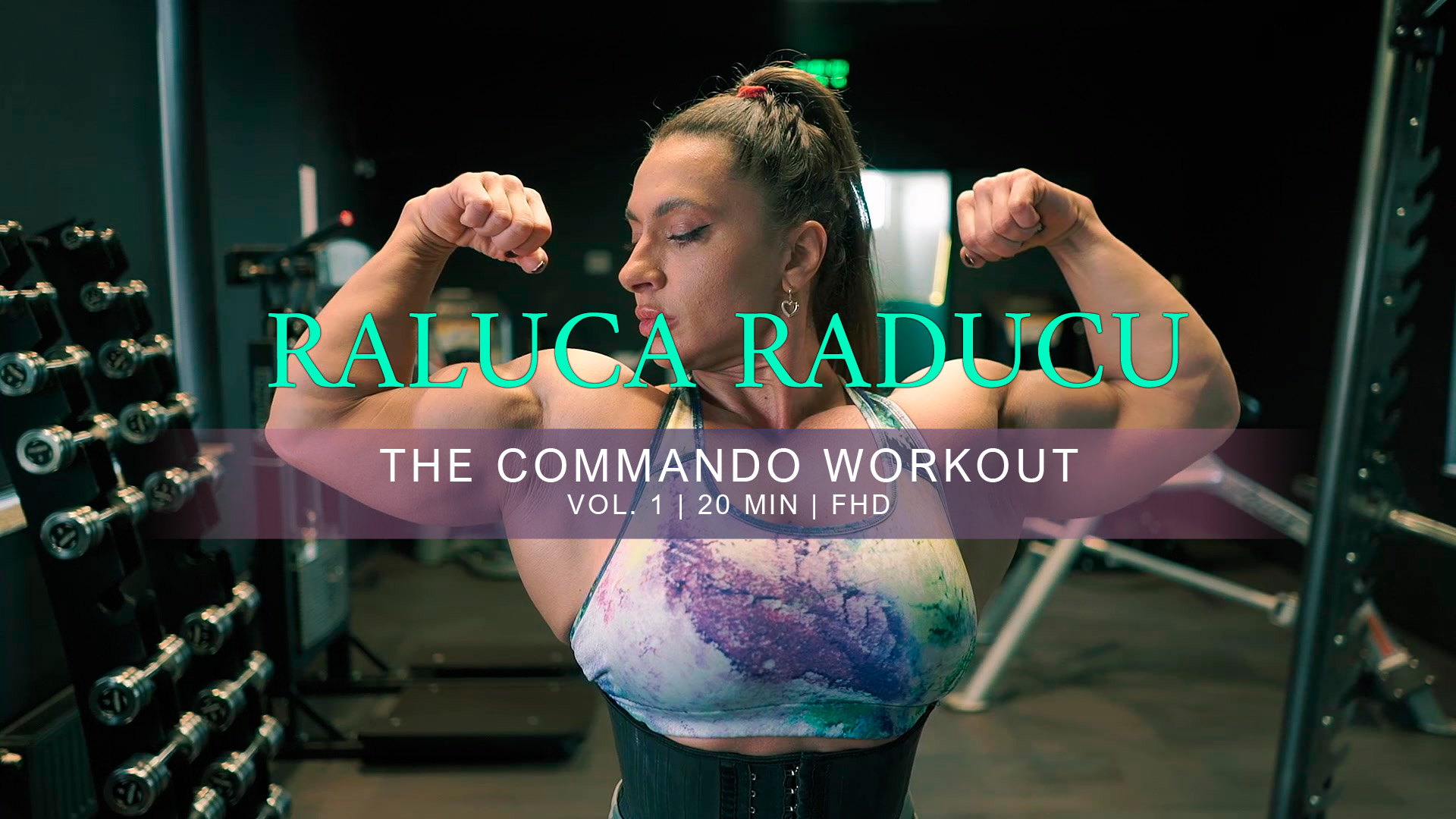
Want to explore more? Visit Raluca’s training page or ask about bodybuilding classes and coaching availability.
General fitness information only. Adapt training to your experience and circumstances; seek qualified guidance if you have injuries or medical concerns.